Every now and then I do a post just for me. So I don’t forget. This is one of those times. Pulled pork vindaloo. Just because I love it.
It’s not mainstream. Not yet. But it could be. Should be I think. If you like vindaloo. And you like pulled pork. Then this one is for you too.
Pulled pork vindaloo is not authentic Indian
This is not some sort of new curry. It doesn’t go with rice. I don’t want to see this on my plate with dal.
It’s not really Indian at all. There’s no epic and storied history of pulled pork vindaloo food trucks in India. That I know about anyway.
This is Indian-ish. Sort of Indian. Not traditional. Pushes things into the mainstream. Brings all those incredible flavours home.
The flavours are Indian inspired. The execution is not. Pulled pork on a bun. Not chapatis. Not naan.
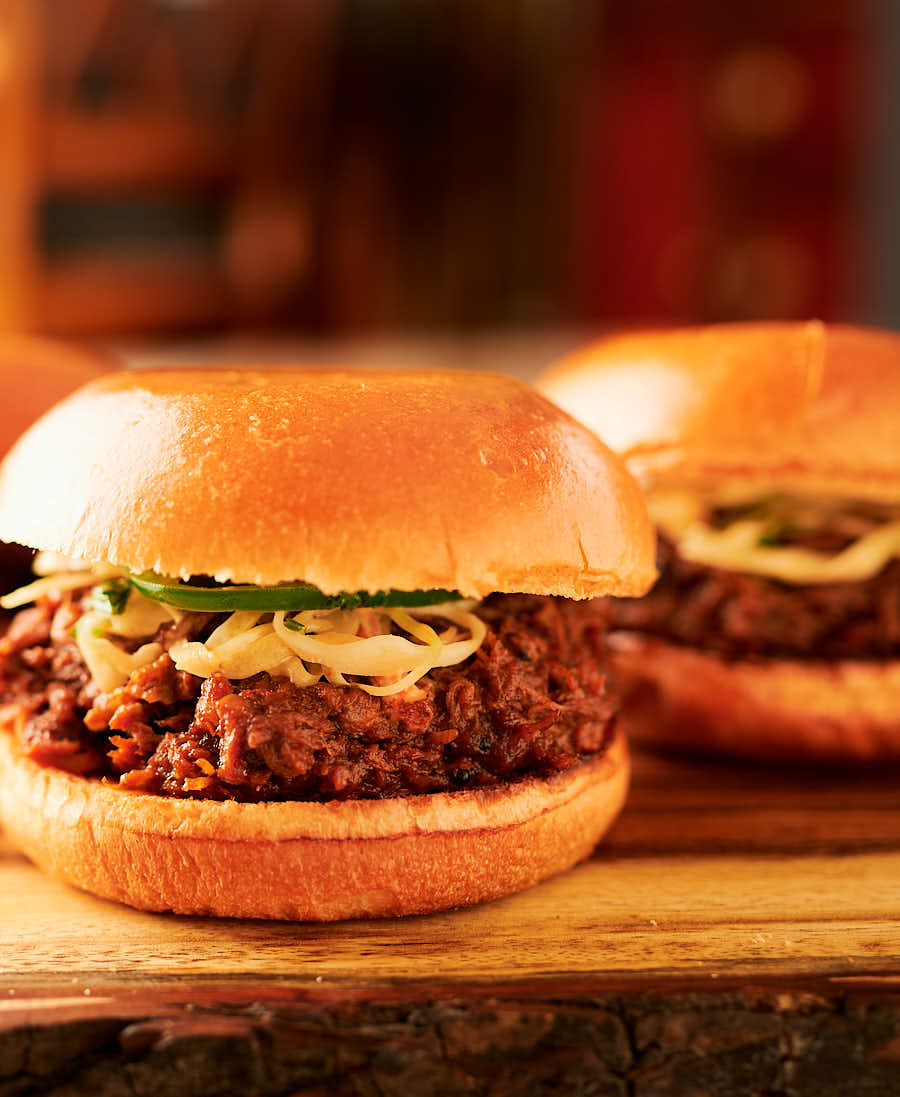
On a bun. Bread. Vindaloo pulled pork. Lots of it. A drizzle of sauce. Slaw for crunch. That’s what this one is all about.
Like a funky pav. East meets west. In a crazy tasty smash-up of flavour. A head on collision of delicious.
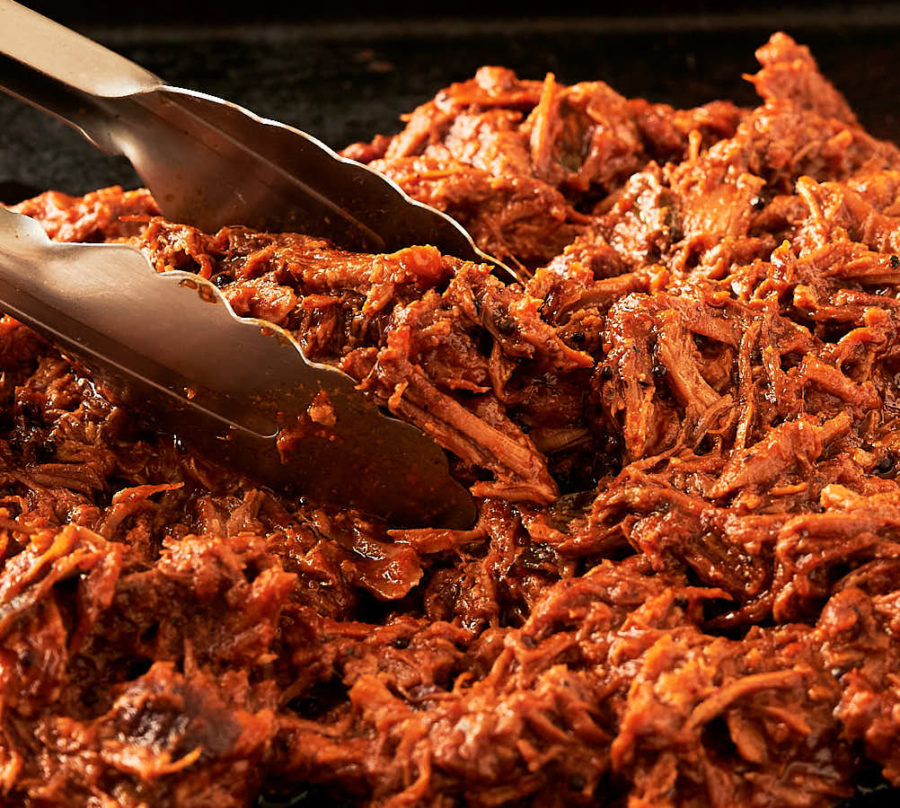
Time to give Indian food the glory it deserves
I’ve been ranting about formula Indian for a long time. I won’t bore you with it again.
Except to point out that just about every Indian restaurant serves the same stuff. Which makes no sense that I can see.
Indian food is incredibly diverse. A billion people. Eating the same 20 dishes. How does that make any sense?
That’s changing. The food scene is moving on. It’s finally starting.
It’s taken forever. But I think it’s finally becoming a thing. Funky restaurants are innovating. There’s a street food movement going on.
People are starting to wake up. To realize there is more to Indian cuisine than the same 20 dishes you see on every menu everywhere.
Chefs are starting to think. And do. All over the world.
I am thrilled. Seriously. Unbelievably excited. So I’m trying to do my little bit to help it along. Indian-ish. Expect more of it here. And hopefully at a restaurant near you.
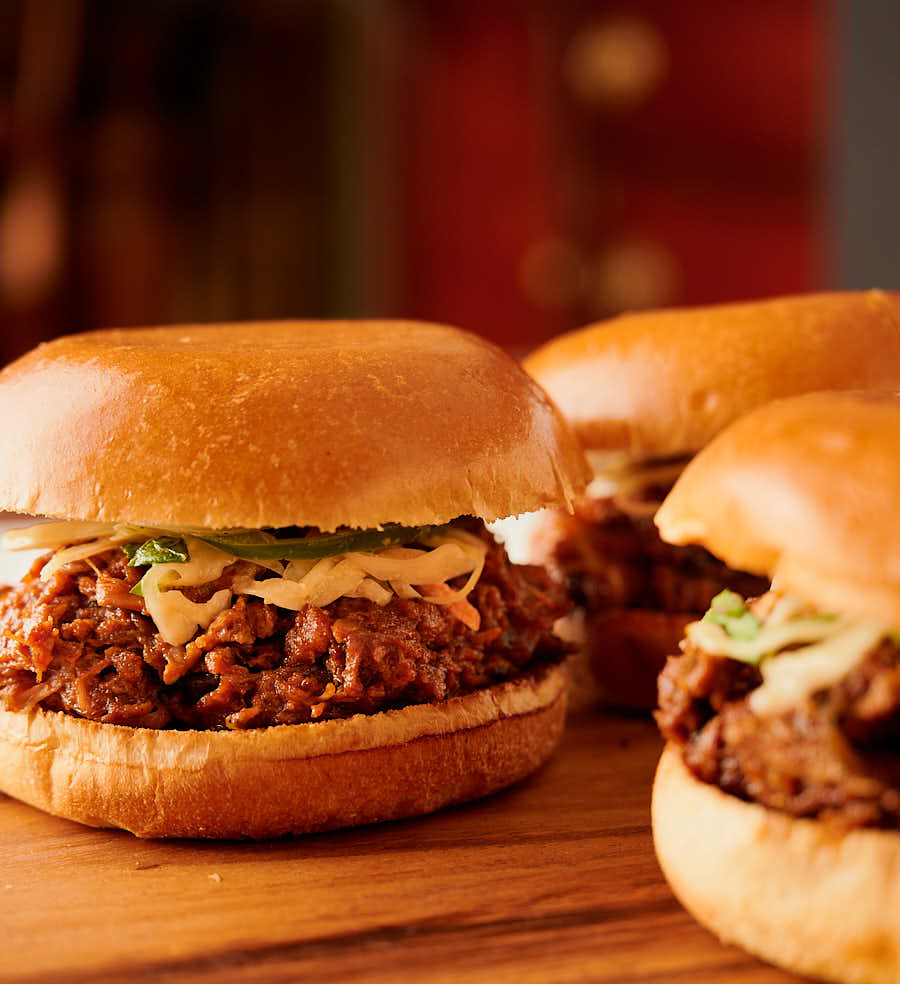
A gentle braise for meltingly tender pork
This is slow food. Gentle heat. A long braise. Weekend cooking. For when you are just hanging out. When you have a few hours to kill. And want to kill it making something wonderful.
I like to run the oven at around 300F or so for this. Kind of like making BBQ.
Without the smoke. And with a whole bunch of kashmiri chili and garlic and ginger and spice. In a sealed pot. With liquid.
OK – the only thing this has to with BBQ is the temperature. And in fact it’s a little hotter than I run my smoker for pulled pork.
But you get the idea. You want to keep things gentle. To get that pulled pork mouthfeel. The magic.
Internal temperature is the key to success every time
I’m a huge fan of instant read thermometers. Huge. Use one and you are cooking with science. Don’t use one? That’s called guessing.
Random. Hope for the best. Poke the meat with your finger and decide. I’m not that good. So I use a thermometer.
It serves me well. I use it every day. And it’s key for pulled pork vindaloo.
Roast pork shoulder is great around 140F. Up to 150F maybe. Relatively high heat. Crispy on the outside. Juicy on the inside. Wonderful stuff.
Push it much past that and it all goes sideways. Dry. Tough. Not good. Unless you cook it low and slow. That’s the magic of the braise.
Cuts like pork shoulder are loaded with connective tissue. Cook that connective tissue slowly and you get gelatin. Gelatin has incredible mouthfeel.
Anyone that knows real BBQ knows this. That’s just how it works. For BBQ. And for this pulled pork vindaloo.
You can look into it. Learn a little food science. Or you can just go with it. Know that it works. And enjoy.
The magic number for pulled pork vindaloo is 200F. May sound crazy. But it’s true.
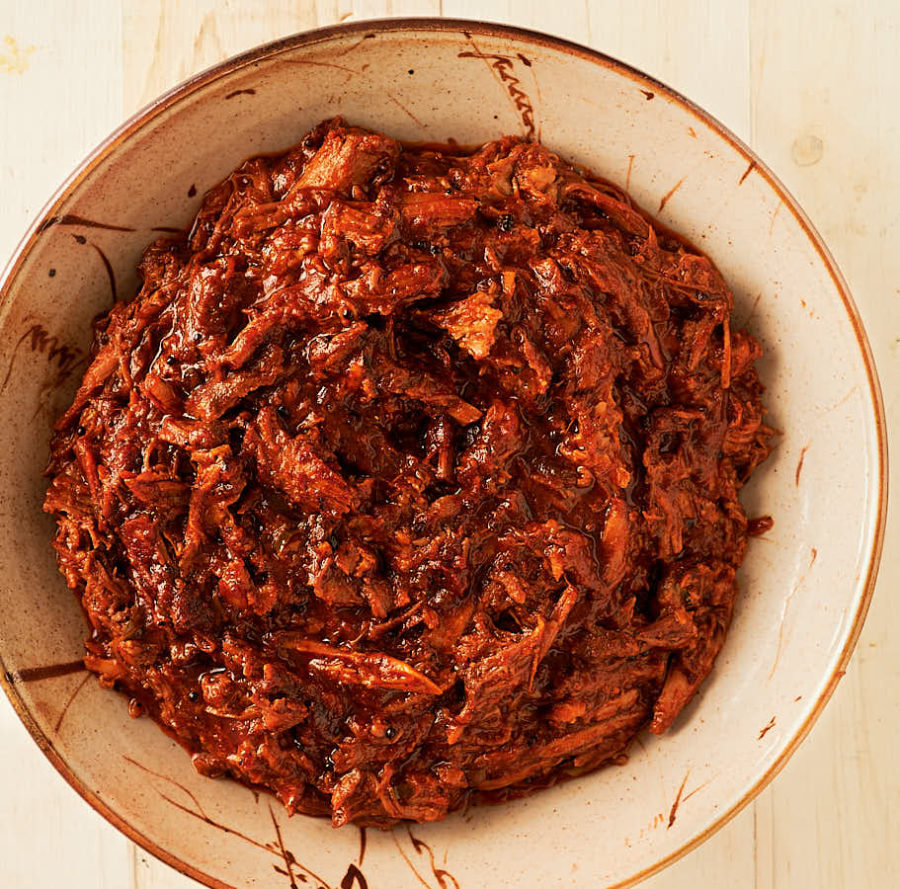
Pulled pork vindaloo is not run of the mill vindaloo
This is not a curry. I want to be clear. Not a curry. It’s pulled pork. With Goan flavours. Indian-ish. Not Indian.
So don’t make this and tell me it’s not vindaloo. I’m telling you. It’s not vindaloo. It’s vindaloo-ish. And that’s the beautiful thing here.
It has all the hallmark flavours of a classic vindaloo. Pork. Vinegar. Chilies. Garlic. Ginger. Spice.
But it also has sugar. And tamarind. And curry leaves. The vinegar is cider based. The sauce has this tangy, sweet and sour and tomato thing going on. Think spicy Indian BBQ sauce.
Which makes perfect sense to me. Remember. This is pulled pork vindaloo. Indian-ish.
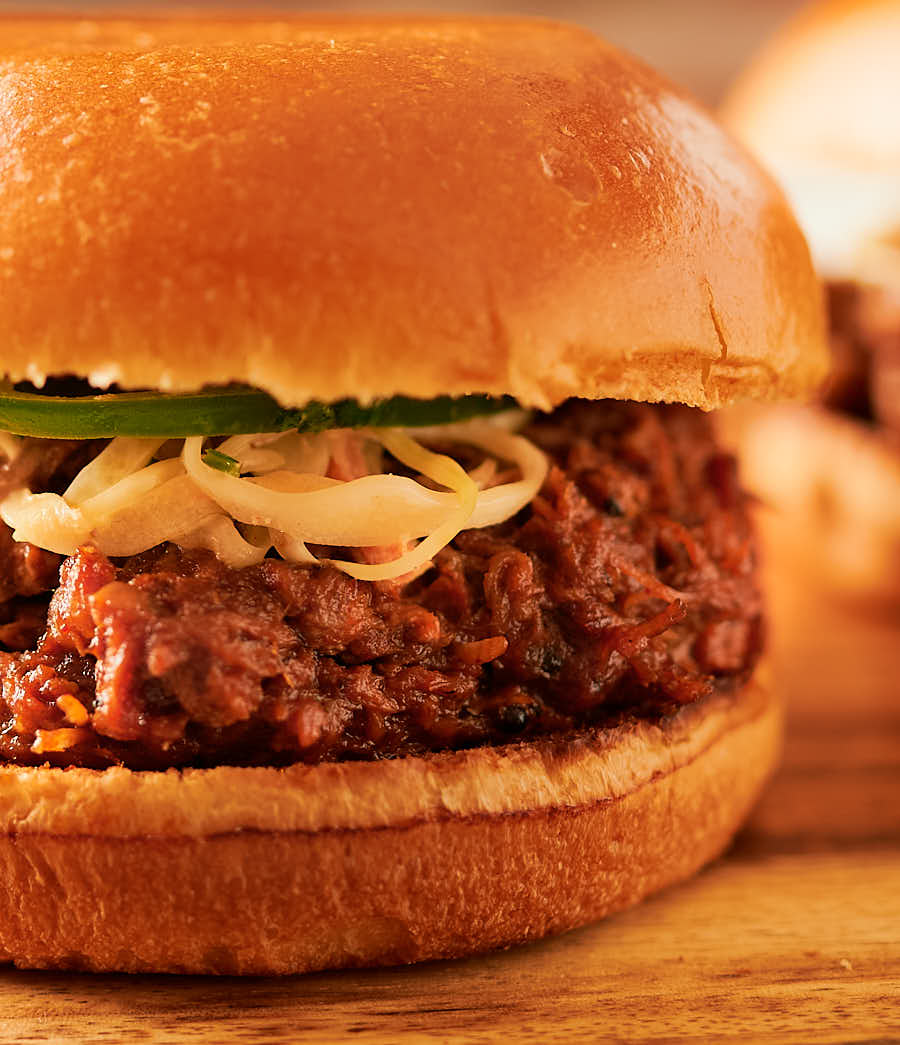
Indian-ish slaw for the win
When I think pulled pork I think 3 things.
Pork – well sauced pork. Lots of that going on here.
Bun – I’m going against the rules. I like brioche. Buttered brioche even. Purists will not be amused. But I’m making vindaloo pulled pork. So I’m taking liberties left and right.
Slaw – for me a pulled pork sandwich has to have slaw. For texture. Crunch. But more importantly a fresh counterfoil against rich, spicy pork.
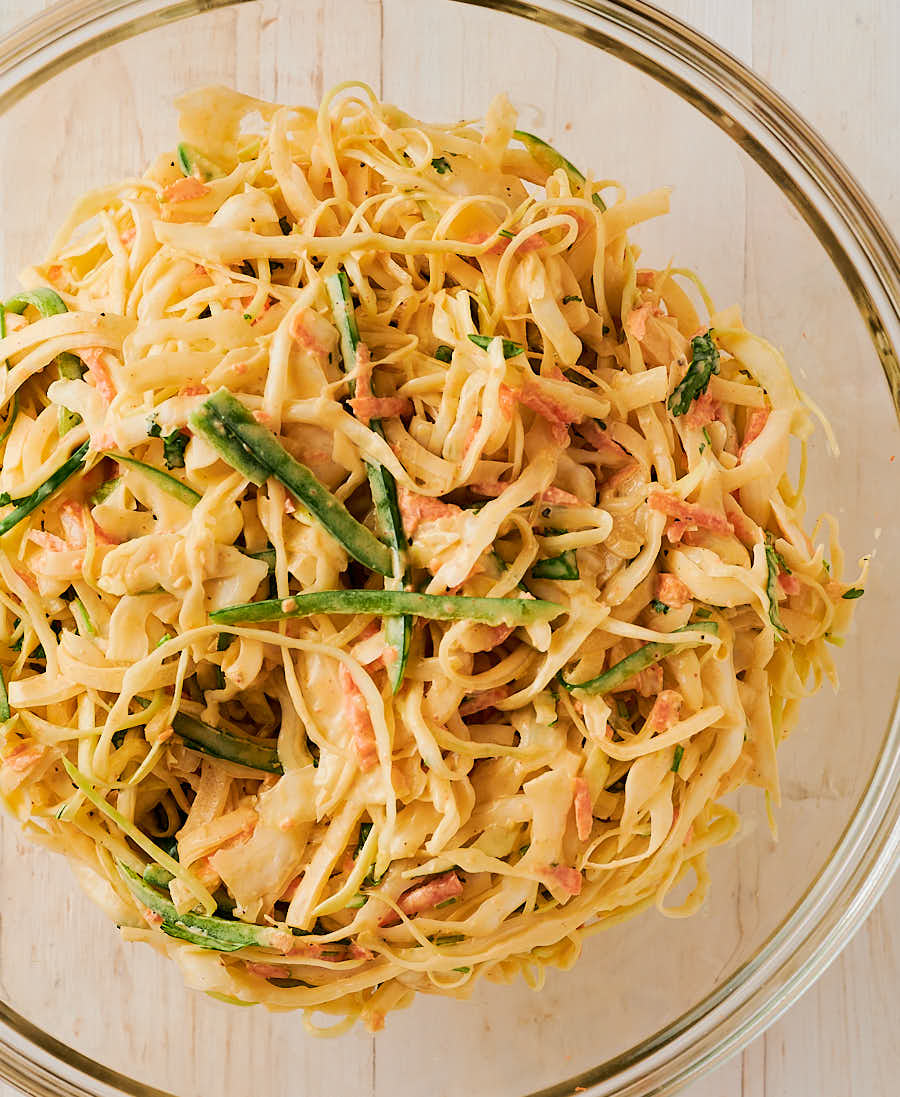
But not just any slaw. It has to fit. Indian-ish pulled pork needs Indian-ish slaw . A little creamy. A little spicy. Just the right crunch.
Vindaloo doesn’t mean wine and potatoes
That’s probably the silliest heading I’ve written so far. Humour me a bit.
There are some interesting ideas out there on what vindaloo is about. What it’s supposed to be.
The one I hear the most is wine and potatoes. That makes for amazing European stews. But not a great vindaloo.
The French word vin somehow becomes Indian. So that’s the wine. And aloo is potato in Hindi so aloo must mean potato here too. Except it doesn’t. Not a bad theory I guess. But wrong nonetheless.
Vindaloo has its origins in Goa. And its roots came with the Portuguese. Vindaloo is an evolution of a Portuguese dish called carne de vinha d’alhos.
That’s hard enough to write fighting a spell checker. Imagine how well it went over in India in the 15th century. Vinha what? D’alwho?
Vindaloo is way easier to say. So that’s what stuck I guess. Or evolved to.
If it’s not obvious – my tongue is firmly in my cheek. I have have no idea what happened 600 years ago. Just having fun with a mental image.
Carne de vinha d’alhos translated is meat marinated in wine vinegar and garlic. No potatoes. No wine.
Fun fact. The Portuguese also brought chilies to India. Thank you. We all owe you large.
Vindaloo doesn’t need to be stupid hot
Somewhere along the way vindaloo became synonymous with crazy spicy. Screaming hot. Melt your face off territory.
That’s a western perception. Propagated by restaurants. The real deal is balanced. Nicely spiced. And so is this pulled pork vindaloo.
This one is all about flavour. Tasty. That’s all I care about. Tasty.
You can make it spicier. A little extra hot chili powder will do it. A bit of naga pickle would be better I bet.
But I’d think about just making it as is. It’s Indian-ish pulled pork. Hellfire not required.
But as always make what works for you. What makes you happy. I’m here to try to get you into the kitchen. Not to tell you what you like. Well, not much anyway.
Pulled pork vindaloo is fun food
This is party food. Fun food. Perfect for feeding a hungry crowd. Easy to make ahead.
And a little different. Not Indian. A little unexpected. Familiar. Funky. And really, really tasty.
Join the revolution. Help make it happen. Try pulled pork vindaloo. I’m pretty sure you won’t regret it.
Pulled pork vindaloo
Ingredients
The spice mix
- 2 tbsp kashmiri chili powder Kashmiri chili powder is mild. Don’t substitute hot chili powder.
- 2 tsp coriander powder
- 1/2 tsp amchoor powder (optional but a nice addition)
- 2 tsp cumin powder
- 2 tsp paprika
- 1 tsp coarsely ground black pepper
- 1 tsp kosher salt – you may need to a bit more at the end to taste
The vindaloo pulled pork
- 3 tbsp neutral oil canola or vegetable
- 3 lb pork shoulder
- 1 1/2 cups shallots thinly sliced
- 1 3 inch cassia bark
- 1 tsp mustard seed
- 10 curry leaves fresh (or frozen) but never dried – optional but tasty
- 1/4 cup garlic ginger paste make your own. Please. Pretty please. There’s a link in the notes…
- 3 tbsp tomato paste diluted in enough water to get to the texture of a thick passata.
- 3 tbsp cider vinegar I know it isn’t traditional. Roll with it.
- 2 tbsp brown sugar
- 2 tsp tamarind paste not concentrate. Concentrate is – well – too concentrated.
- water or no sodium chicken stock to make the liquid in the pot come up around halfway up the way up the pork.
Instructions
Do your prep
- Make your spice mix. Combine the Kashmiri chili powder, coriander, amchoor, cumin, paprika, salt and pepper in a small bowl.
- Slice your shallots. Get the whole spices ready. Dilute the tomato paste with water.
- Preheat your oven to 300F.
Brown the pork
- Heat the oil in a dutch oven or heavy, oven safe pot with lid over medium heat. You want something that’s big enough to fit the pork but not so large the pork gets lost in it.
- When the oil starts to shimmer add the pork (all of it in one piece) and brown on all sides. Regulate the heat so you get good browning but not so hot things burn. The short sides will be much harder than the two opposing large sides. Don’t kill yourself. Just do the best you can. It will all work out in the end.
- When you have browned the pork, remove it from the pot and set aside. Look at how much fat is in the pan. The pork will likely have thrown some fat and spatter will have taken some from the pot and spread it out on your stove (sorry about that). Don’t clean it up just yet. There’s a little bit more spatter to come. You want 3-4 Tbsp total liquid fat (oil or rendered pork fat) in the pot so add or remove as required.
Get the braise ready
- Reduce the heat to medium low.
- Add the cassia bark, mustard seeds and curry leaves. Cook for about 30-45 seconds. You should see little bubbles forming around the whole spices.
- Add the shallots. Once the shallots start to soften scrape up any of the fond that will should have formed when you browned the pork. Cook, stirring regularly, until the onions start to brown. Brown is not light tan. You want some colour here. This should take 5-7 minutes.
- Stir in the garlic ginger paste. Cook until the splattering stops. The messy part is now done. It’s safe to clean your stove.
- Add the spice mix. Stir. This is called blooming spices and it’s where some serious food magic happens. If your pot looks dry add a splash of neutral oil. You want this to cook out but don’t want spices sticking or burning. Cook the onion spice mixture for 3-4 minutes.
- Add the tomato paste and stir to combine.
- Stir in the cider vinegar, brown sugar and tamarind.
- Return the pork to the pot. Add enough water or chicken stock to come about halfway up the pork. Chicken bouillon cubes are not chicken stock.
- Bring to a gentle simmer.
Braise the pork
- Cover the pot and place in a 300F oven.
- After 45 minutes remove the pot from the oven, flip the pork (good restaurant tongs are worth their weight in gold), cover and return to the oven.
- You are going for an internal temperature around 200F. This will take somewhere around. 90 minutes to 2 hours. I can’t tell you how long exactly. Depends on the piece of meat. Depends on the precise temperature of your oven (and my oven). But you should start checking at around the one hour mark.
- Once you hit 200F you should be able to poke the meat and feel it give. It should shred pretty easily when you tug at it with your tongs.
- Remove the pork from the pot. Tent with foil and set aside. You will want it to come down to about 140F before you shred. Plan on 20-30 minutes for that.
- Defat the sauce. Let the sauce sit for a few minutes. You should see the rendered fat starting to pool. Pork shoulder is a fatty cut and you need to remove some of it. Saying that kills me because that fat is loaded with oil soluble flavour compounds extracted from the spices. But it’s just way too oily if you skip this step.
- When you have it to the texture you want taste it. If it needs salt add a bit. Stir. Taste again. Creep up on the right salt level. Keep in mind slightly under salted is always way better than over salted.
Finish it off
- What’s in your pot right now is Indian-ish barbecue sauce. A little sweet. A little tart. And a little spicy. Delightfully porky. You want it the consistency of thin barbecue sauce. It might already be there. Or you might need to reduce it a bit over medium heat while the pork rests. Your call. Think coat a spoon consistency. Think cream.
- When the pork has cooled to 140F or thereabouts shred it. Two forks. Bear claws. Heat proof gloves. Whatever works for you. Just get it shredded.
- Return the shredded pork to the sauce. Stir to combine. Taste. Smile. Be happy.
Make the sandwiches
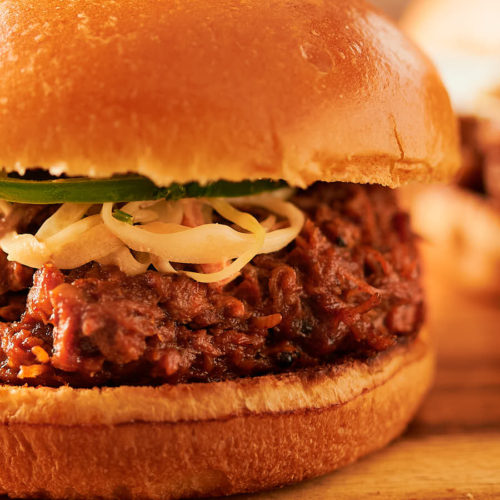
- Vindaloo pulled pork is great on a toasted brioche bun with Indian slaw. It’s completely over the top on a toasted, buttered brioche bun with Indian slaw.
- Toast the buns. Butter the top (optional but tasty). Have the Indian slaw ready. Spoon out a good layer of pulled pork on the lower half of the bun. Top with slaw and the brioche crown. Eat with your hands. Enjoy.
Nutrition
Pulled pork vindaloo
Ingredients
The spice mix
- 2 tbsp kashmiri chili powder Kashmiri chili powder is mild. Don’t substitute hot chili powder.
- 2 tsp coriander powder
- 1/2 tsp amchoor powder (optional but a nice addition)
- 2 tsp cumin powder
- 2 tsp paprika
- 1 tsp coarsely ground black pepper
- 1 tsp kosher salt - you may need to a bit more at the end to taste
The vindaloo pulled pork
- 3 tbsp neutral oil canola or vegetable
- 3 lb pork shoulder
- 1 1/2 cups shallots thinly sliced
- 1 3 inch cassia bark
- 1 tsp mustard seed
- 10 curry leaves fresh (or frozen) but never dried - optional but tasty
- 1/4 cup garlic ginger paste make your own. Please. Pretty please. There’s a link in the notes…
- 3 tbsp tomato paste diluted in enough water to get to the texture of a thick passata.
- 3 tbsp cider vinegar I know it isn’t traditional. Roll with it.
- 2 tbsp brown sugar
- 2 tsp tamarind paste not concentrate. Concentrate is - well - too concentrated.
- water or no sodium chicken stock to make the liquid in the pot come up around halfway up the way up the pork.
Instructions
Do your prep
- Make your spice mix. Combine the Kashmiri chili powder, coriander, amchoor, cumin, paprika, salt and pepper in a small bowl.
- Slice your shallots. Get the whole spices ready. Dilute the tomato paste with water.
- Preheat your oven to 300F.
Brown the pork
- Heat the oil in a dutch oven or heavy, oven safe pot with lid over medium heat. You want something that’s big enough to fit the pork but not so large the pork gets lost in it.
- When the oil starts to shimmer add the pork (all of it in one piece) and brown on all sides. Regulate the heat so you get good browning but not so hot things burn. The short sides will be much harder than the two opposing large sides. Don’t kill yourself. Just do the best you can. It will all work out in the end.
- When you have browned the pork, remove it from the pot and set aside. Look at how much fat is in the pan. The pork will likely have thrown some fat and spatter will have taken some from the pot and spread it out on your stove (sorry about that). Don’t clean it up just yet. There’s a little bit more spatter to come. You want 3-4 Tbsp total liquid fat (oil or rendered pork fat) in the pot so add or remove as required.
Get the braise ready
- Reduce the heat to medium low.
- Add the cassia bark, mustard seeds and curry leaves. Cook for about 30-45 seconds. You should see little bubbles forming around the whole spices.
- Add the shallots. Once the shallots start to soften scrape up any of the fond that will should have formed when you browned the pork. Cook, stirring regularly, until the onions start to brown. Brown is not light tan. You want some colour here. This should take 5-7 minutes.
- Stir in the garlic ginger paste. Cook until the splattering stops. The messy part is now done. It’s safe to clean your stove.
- Add the spice mix. Stir. This is called blooming spices and it’s where some serious food magic happens. If your pot looks dry add a splash of neutral oil. You want this to cook out but don’t want spices sticking or burning. Cook the onion spice mixture for 3-4 minutes.
- Add the tomato paste and stir to combine.
- Stir in the cider vinegar, brown sugar and tamarind.
- Return the pork to the pot. Add enough water or chicken stock to come about halfway up the pork. Chicken bouillon cubes are not chicken stock.
- Bring to a gentle simmer.
Braise the pork
- Cover the pot and place in a 300F oven.
- After 45 minutes remove the pot from the oven, flip the pork (good restaurant tongs are worth their weight in gold), cover and return to the oven.
- You are going for an internal temperature around 200F. This will take somewhere around. 90 minutes to 2 hours. I can’t tell you how long exactly. Depends on the piece of meat. Depends on the precise temperature of your oven (and my oven). But you should start checking at around the one hour mark.
- Once you hit 200F you should be able to poke the meat and feel it give. It should shred pretty easily when you tug at it with your tongs.
- Remove the pork from the pot. Tent with foil and set aside. You will want it to come down to about 140F before you shred. Plan on 20-30 minutes for that.
- Defat the sauce. Let the sauce sit for a few minutes. You should see the rendered fat starting to pool. Pork shoulder is a fatty cut and you need to remove some of it. Saying that kills me because that fat is loaded with oil soluble flavour compounds extracted from the spices. But it’s just way too oily if you skip this step.
- When you have it to the texture you want taste it. If it needs salt add a bit. Stir. Taste again. Creep up on the right salt level. Keep in mind slightly under salted is always way better than over salted.
Finish it off
- What’s in your pot right now is Indian-ish barbecue sauce. A little sweet. A little tart. And a little spicy. Delightfully porky. You want it the consistency of thin barbecue sauce. It might already be there. Or you might need to reduce it a bit over medium heat while the pork rests. Your call. Think coat a spoon consistency. Think cream.
- When the pork has cooled to 140F or thereabouts shred it. Two forks. Bear claws. Heat proof gloves. Whatever works for you. Just get it shredded.
- Return the shredded pork to the sauce. Stir to combine. Taste. Smile. Be happy.
Make the sandwiches
- Vindaloo pulled pork is great on a toasted brioche bun with Indian slaw. It’s completely over the top on a toasted, buttered brioche bun with Indian slaw.
- Toast the buns. Butter the top (optional but tasty). Have the Indian slaw ready. Spoon out a good layer of pulled pork on the lower half of the bun. Top with slaw and the brioche crown. Eat with your hands. Enjoy.
Nutrition
Chicken pathia. Like they make in the best restaurants. Hotel style. Spicy. Sweet. Sour. A little magic in every bite.
Chatpata. That’s a word I didn’t know. Learned it watching Chef’s Table. Gaggan Anand.
Four elements in harmony. Sweet, sour, salty and spicy in perfect balance. Indian umami.
That describes chicken pathia perfectly. Like textbook perfect. Maybe it should be called chicken chatpata.
He’s talking about it at his level. And his level is so far above mine it’s not even worth measuring.The concept is eye opening though. Brings focus.
Chatpata. Something to be thinking about. Something to strive for.
Madras’ misunderstood cousin
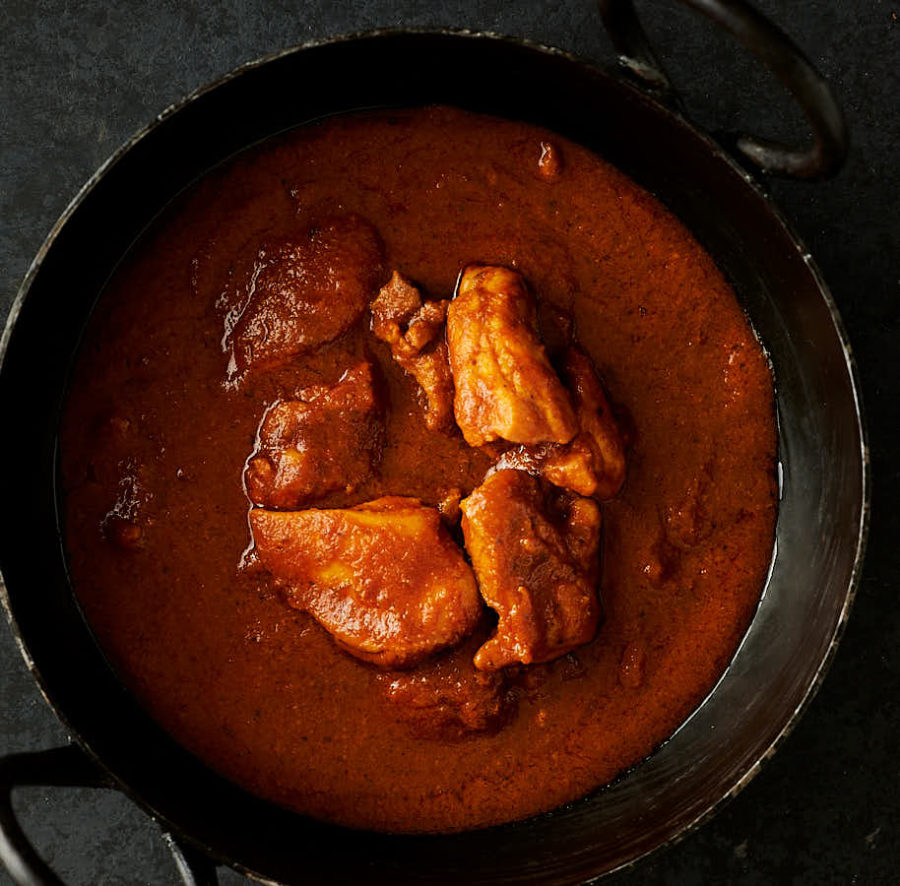
That’s how I think of chicken pathia. My version anyway. A little like a chicken Madras. But not really.
It’s sweet. And it’s sour. A little sugar. A little tamarind sauce. Sort of Madras spicing. That’s it really. Familiar. But different.
Somehow that sweet and sour tweak changes everything. Makes pathia it’s own dish. Amazing how a couple extra ingredients can change everything.
Chicken pathia is a simple dish. Not a lot of ingredients. No whole spices. No pastes to make. Just a few simple spices. Some hotel gravy. Chicken. Tamarind sauce.
It’s almost too simple. Unworthy you might think. Except it’s not. Absolutely not. That’s the beauty of chicken pathia. Simple. Straight forward. And yet complex.
Sometimes simple can be amazing. This is one of those times.
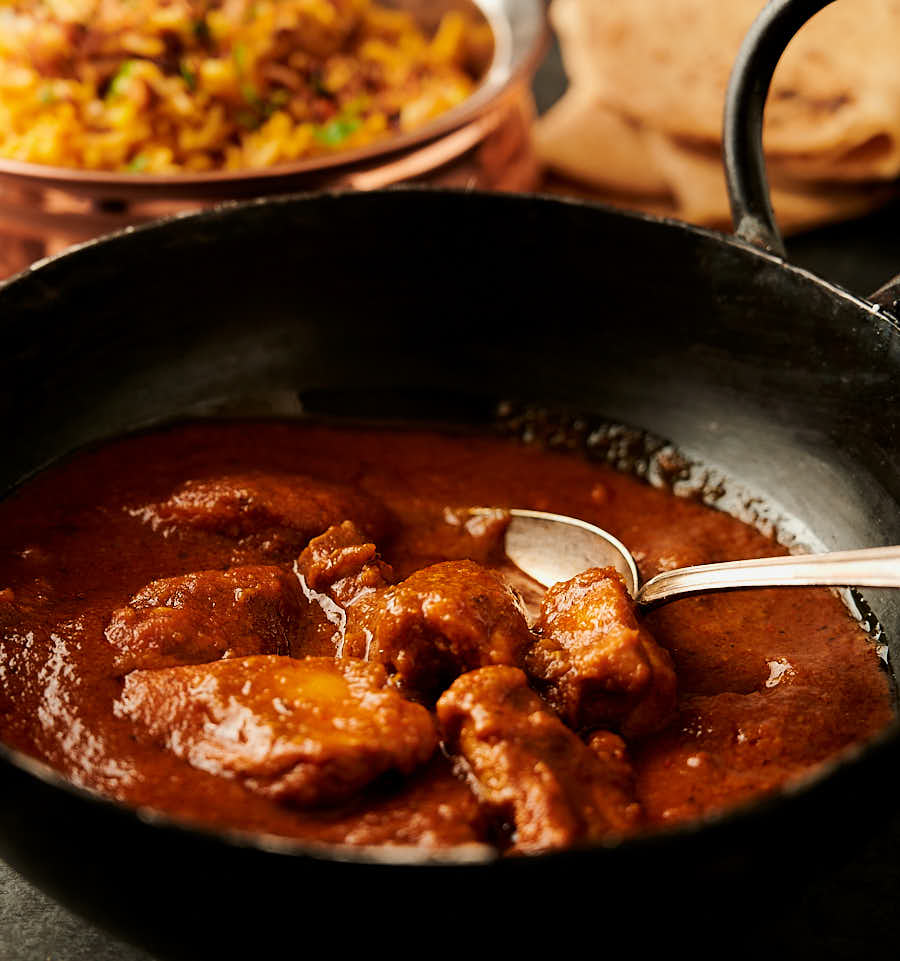
Hotel style chicken pathia
This is not takeaway style. Not regular restaurant style. This is about kicking it up a notch. Four notches really.
Hotel style. Fine Indian restaurant style. What the really good Indian restaurants are doing.
Restaurants putting food quality first. The ones that aren’t trying to make a $12 curry. Going for gold. The kind of restaurant I want to eat at.
There are two restaurant based approaches on Glebekitchen. High end and mainstream. Horses for courses.
Restaurant style is what they do at most restaurants. Takeaways. Simple. Fast. And tasty. It relies on a single gravy. Restaurant curry base. One size fits all.
Hotel style is high end restaurant approach. More disciplined. The right tool for job. Different gravies for different dishes. Blending gravies even. It changes the game. And I’m really excited about it.
Think French. Mother sauces. That’s what this is. But applied to Indian cooking. Heavy on the prep. But so worth it. Big tastes. The kind of depth of flavour you can’t get any other way.
It’s a bit of curry magic I think. Not Gaggan magic. Not even close. But for us mere mortals…
All that great chicken flavour
The other big difference is how the chicken is prepared. And it is a big difference.
Takeaway restaurant style relies on pre-cooked chicken. It’s faster. It’s easier. And it’s probably safer. But it comes at a price.
And that price is chicken flavour. Hotel style is a different approach. The chicken goes in raw. You have to pay attention not to overcook it. But you get the juices as it cooks.
And those juices are delicious. Losing them was probably my single biggest problem with takeaway restaurant style. I feel better now. Simple things make me happy.
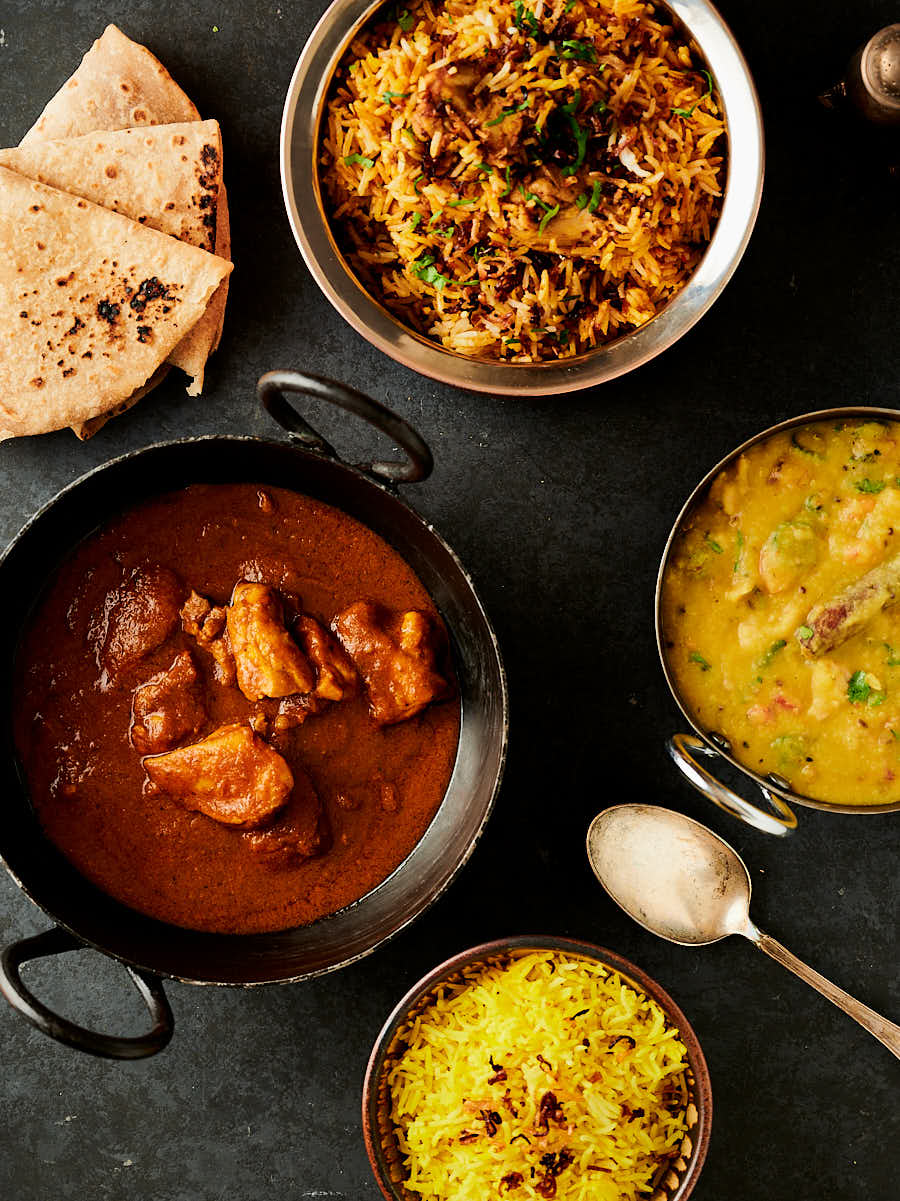
Tamarind sauce is important
This recipe is pretty specific. Tamarind sauce. Not tamarind paste. And definitely not tamarind concentrate.
Tamarind sauce is like ketchup. A condiment. Not actually like ketchup. But in a bottle. Pre-fab. Commercial product. Papadum dip in a jar.
A little sweet. And sour. A little spicy. And a little salty. See where I’m going? Chatpata in a bottle.
I like it. A lot. There’s something about it. Works well in a dhansak. In this dish. On eggs. In sandwiches.
It’s like fight club. First rule. Nobody talks about Maggi Tamarina. But there’s probably a bottle in an Indian restaurant kitchen near you. I bet they love it too.
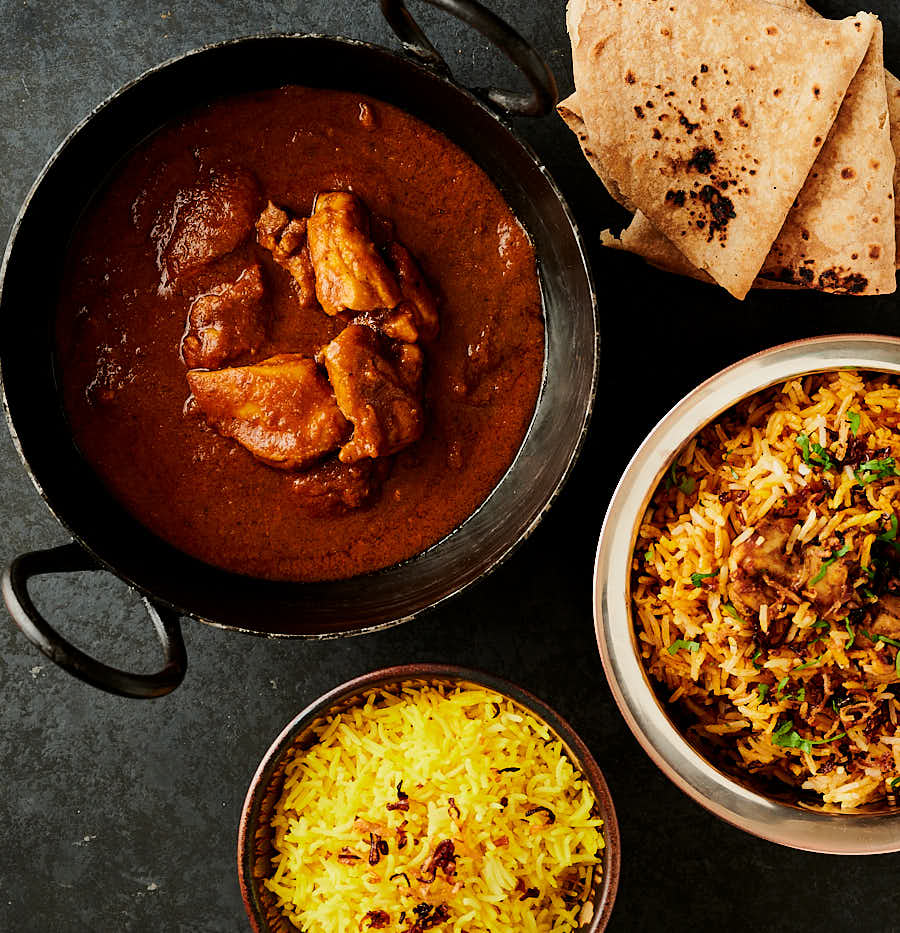
Chicken pathia done hotel style
Ready to expand your horizons? Give this one a go. It’s definitely one you need to try.
Chicken pathia isn’t the most famous curry out there. Probably not in the top 10. Or even the top 20.
It has lost the popularity contest. And that’s too bad. Because it has it all. Sweet. Sour. Spicy. Salty.
Chatpata.
You had to know I would finish with that…
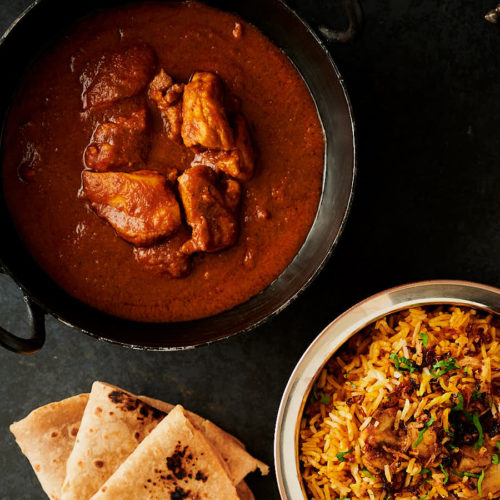
chicken pathia curry
Ingredients
The spice mix
- 1 1/2 tsp hot madras curry powder – you can get this at just about any Indian grocer
- 2 tsp kashmiri chili powder
- 1 /2 tsp coriander powder
- 1/2 tsp cumin powder
- 1/2 tsp turmeric powder
- 1/2 tsp kasoor methi – dried fenugreek leaves
- 1/2 tsp kosher salt – a bit less if you use regular table salt
Pathia chicken curry
- 3 tbsp vegetable oil – any neutral oil works
- 1 tbsp garlic ginger paste
- 1 cup Indian hotel curry gravy – recipe link below
- 3 boneless, skinless chicken thighs – cut into 3-4 pieces each
- 1 tbsp tamarind sauce – Not paste. Not concentrate. Sauce. Sweet and sour tamarind sauce. I like Maggi Tamarina. See note.
- 1 tsp jaggery or brown sugar
- 2-4 Tbsp water or chicken stock. Depends how saucy you like your curry.
Instructions
Do your prep
- This goes fast. Be ready. Make your spice mix. Combine the powdered spices in a small bowl. Get your ingredients out and close to the stove.
Make the pathia chicken curry
- Heat the oil in a medium frying pan until it just starts to shimmer.
- Stir in the garlic ginger paste. Cook until the garlic ginger paste stops sputtering.
- Turn your heat to medium low and add your spice mix. Gently fry the spices for 30-45 seconds. This is why you added a full 3 tablespoons of oil at the beginning. Spices fried in oil. Bloomed spices. This is where the magic happens. Too little oil and the spices will stick or burn and you will be starting over.
- Turn the heat up to medium. Add the Indian hotel curry gravy. Bring it to a simmer. Really stir it to get the oil to combine. Cook for about a minute. You don’t need it to fry like a regular restaurant curry. That’s the beauty of hotel style. That step is done before you start cooking the final dish. No need to make a mess of your stove.
- Add the chicken in an even layer and cover the pan. After about 5 minutes flip the chicken pieces. Tongs are good for this. Can’t beat a good set of restaurant tongs in the kitchen. Cover again and cook until the chicken is just done.
- The chicken should take around 8-12 minutes to cook through. It really depends on how large the chicken thigh pieces are. Best bet is to use an instant read thermometer and go for a 170F internal temperature.
- Once the chicken is done, stir in the tamarind sauce and the sugar. Simmer for about a minute.
- The texture should be about right at this point. If it’s too thick add a bit of water or chicken stock Not a lot. Probably a couple tablespoons max. More if you like it really saucy.
- If it is too thin (chicken throws a fair bit of liquid as it cooks) just let the curry simmer uncovered for a minute or two.
- I love this curry with chapatis and rice and just about any side. Tarka dal. Chana. Dal palak. Whatever you like will work. Except ice cream. Ice cream will not work…
